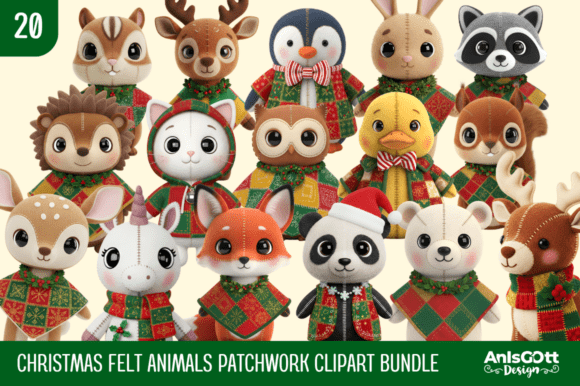
Christmas Felt Animals Patchwork Clipart: Editorial Illustrations
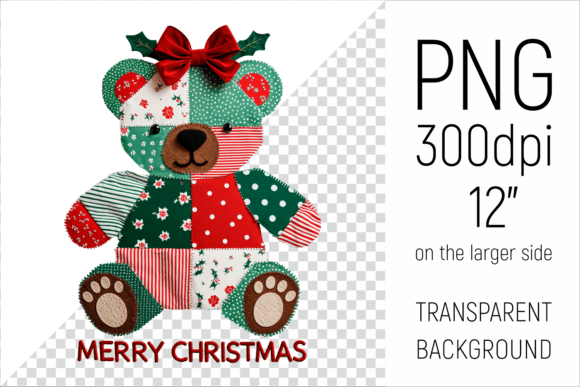
As a digital publisher who has spent over a decade refining the visual identity of high-traffic lifestyle blogs, I have learned that the difference between a bounce and a conversion often lies in the details. When I first opened the file for Christmas Felt Animals Patchwork Clipart, my immediate reaction was one of relief. In a sea of generic, flat vector graphics that saturate the creative marketplace, this asset offers something tangible. It possesses texture, depth, and a distinct tactile quality that translates surprisingly well to digital screens.
This is not just a collection of cute animals; it is a cohesive graphic design asset that solves a specific problem for content creators during the holiday rush. The aesthetic is undeniably cozy, evoking the warmth of handmade crafts without feeling amateurish. For bloggers, newsletter creators, and small business owners, this style bridges the gap between playful charm and professional polish. It creates an editorial mood that is inviting and trustworthy, which is crucial when you are asking readers to engage with your content or purchase a digital product.
Elevating Blog Graphics and Editorial Design
The primary value of these Illustrations lies in their versatility within a real publishing workflow. Imagine you are preparing your content calendar for December. You need featured images that stand out in a crowded feed but also align with your brand’s established tone. These patchwork-style animals provide an instant visual hook. They work exceptionally well as focal points in blog graphics because their textured edges create natural contrast against clean, white backgrounds or soft pastel overlays.
I tested these assets in several real-world scenarios. First, I used them as hero images for a series of holiday recipe posts. The felt texture added a layer of sophistication that flat clip art lacks, making the website header feel curated rather than assembled from free stock sources. Second, I integrated them into a downloadable PDF guide for email subscribers. The visual consistency helped reinforce the perceived value of the digital download, making it feel like a premium resource rather than a quick freebie.
Optimizing for Pinterest and Social Media Graphics
If you rely on Pinterest for traffic, you know that vertical visuals require strong composition. The Christmas Felt Animals Patchwork Clipart excels here. The distinct shapes of the animals allow for clear visual hierarchy. You can place a large felt reindeer or bear at the top of a Pinterest pin, leaving ample negative space below for bold, readable typography. This separation ensures that your headline remains legible even on small mobile screens.
For social media graphics, these elements add a festive touch without overwhelming the message. I found that using a single animal as a corner accent in Instagram stories or Facebook ads created a balanced layout. It draws the eye without competing with the call-to-action button. This is vital for affiliate marketing content, where clarity drives clicks. A cluttered image confuses the reader; a clean image with a charming focal point builds trust.
Strategic Placement in Web Design
While these assets are powerful, they must be used with intention. In web design, context is everything. These illustrations work best in niches that embrace warmth and personality, such as parenting blogs, DIY tutorials, food photography sites, and handmade e-commerce stores. They support a brand identity that values authenticity and creativity. However, they should be used carefully in more corporate or minimalist environments. If your site relies on stark black-and-white aesthetics or serious financial advice, the playful nature of felt animals might undermine your authority.
I recommend using these clips as editorial accents rather than background patterns. A subtle placement beside a serif font heading can create a beautiful juxtaposition of traditional elegance and modern whimsy. Conversely, pairing them with a handwritten font enhances the handmade vibe, while a clean sans-serif keeps the overall look contemporary. Testing these combinations is essential. Always preview your designs on both desktop and mobile devices to ensure the texture details do not become muddy or distracting at smaller sizes.
Practical Publisher Notes for Commercial Use
Before integrating any new design assets into your monetized content, there are technical and legal considerations to address. First, verify the licensing. Ensure that the commercial license covers your specific use cases, especially if you are creating products for sale, such as printable planners or physical merchandise. Most reputable creative marketplaces provide clear terms, but it is your responsibility to confirm that you can use the assets in affiliate marketing materials or paid digital guides.
From a performance standpoint, check the file formats provided. High-resolution PNGs with transparent backgrounds are ideal for web use because they maintain quality without the heavy file size of uncompressed TIFFs. However, always compress your images before uploading them to your server. Large files slow down page load times, which negatively impacts SEO and user experience. I suggest using tools like TinyPNG or Squoosh to reduce file size while preserving the delicate felt textures.
Additionally, consider accessibility. While the colors in these patchwork designs are vibrant, ensure there is sufficient contrast between the text and the background if you overlay copy directly on the images. If the felt texture is busy, place your text in a solid color box or use a drop shadow to improve readability. This attention to detail demonstrates professionalism and respects all your readers, including those with visual impairments.
Building a Cohesive Brand Identity
Ultimately, the goal of using high-quality design assets is to build a recognizable brand identity. When readers see the distinctive texture of the Christmas Felt Animals Patchwork Clipart across your blog, newsletter, and social channels, they begin to associate that visual style with your voice. This consistency fosters loyalty. It signals that you care about the presentation of your content, which indirectly validates the quality of your information.
Whether you are designing a Canva template for your team, creating a lead magnet for your email list, or sprucing up your media kit for potential sponsors, these illustrations offer a reliable foundation. They are flexible enough to adapt to various layouts yet distinct enough to make your content memorable. In the competitive landscape of digital publishing, having a unique visual signature is no longer optional—it is essential. These assets provide a shortcut to achieving that polished, professional look without requiring advanced graphic design skills.
By thoughtfully integrating these elements into your content marketing strategy, you elevate the entire user experience. You transform standard blog posts into engaging visual stories. You turn simple newsletters into anticipated deliveries. And you convert casual visitors into loyal followers who trust your aesthetic judgment as much as your expertise. That is the true power of effective editorial design.