Farmhouse Christmas Kitchen Clipart: A Designer’s Review
As an embroidery designer who has spent years translating digital concepts into thread, I approach every new asset with a critical eye. It is not enough for a design to look pretty on a screen; it must survive the needle, the fabric tension, and the wash cycle. Recently, I evaluated Farmhouse Christmas Kitchen Clipart to determine its viability for real-world production. This collection of Illustrations promises a cozy, rustic holiday vibe, but does it hold up under the scrutiny of professional stitching? Here is my practical assessment for fellow makers, Etsy sellers, and craft entrepreneurs.
First Impressions and Visual Personality
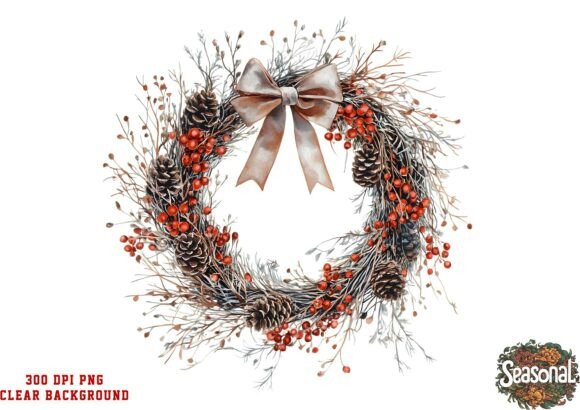
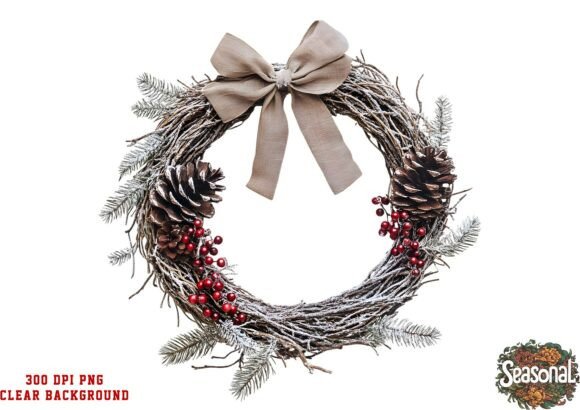
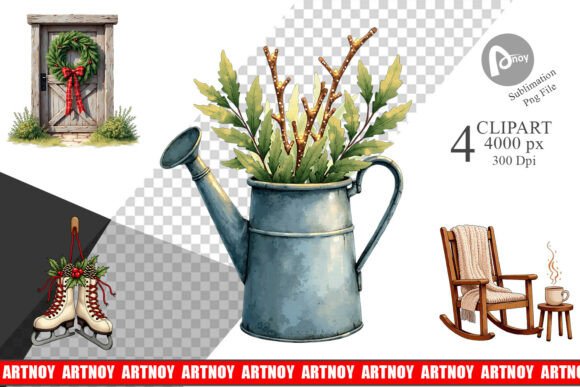
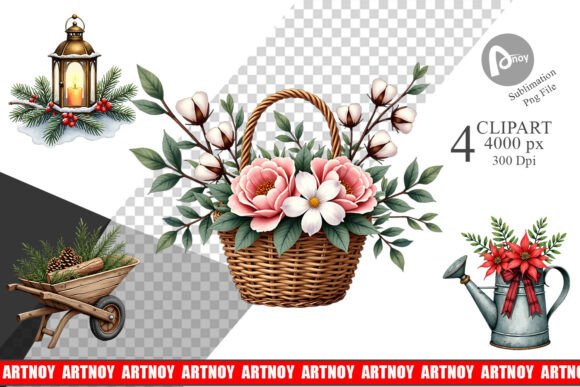
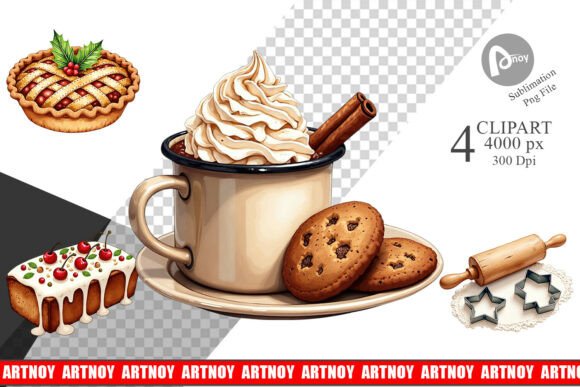
The immediate mood created by Farmhouse Christmas Kitchen Clipart is one of nostalgic warmth. The shapes are organic rather than rigid, featuring elements like rolling pins, vintage mixers, sprigs of holly, and simple kitchenware. For an embroidery project, this aesthetic is advantageous because it leans into imperfection. Unlike geometric designs that require pixel-perfect alignment, farmhouse styles forgive minor registration errors. The layout feels balanced, avoiding the cluttered look that often plagues holiday-themed assets. The visual personality is understated, which is crucial for modern consumers who prefer subtle decor over loud, flashy graphics.
When I first opened these files, I looked for clean lines and distinct separation between elements. In embroidery, overlapping details can cause thread breaks or messy backing. These illustrations generally maintain good spacing, suggesting they were designed with vector clarity in mind before being converted into a digital embroidery file. However, the level of detail varies. Some elements are bold and blocky, ideal for fill stitches, while others rely on finer lines that may require careful digitizing to prevent snapping.
Real-World Application: From Screen to Stitch
To test the practical value of Farmhouse Christmas Kitchen Clipart, I imagined a specific client request: a set of custom embroidered tea towels for a boutique hotel’s holiday gift shop. The goal was to create a handmade product that felt elevated yet approachable. Using the kitchen-themed motifs, I mapped out a design for a linen blend towel. The rustic nature of the clipart paired perfectly with the textured fabric. The rolling pin motif, when rendered in a satin stitch, provided a nice sheen against the matte linen, while the holly leaves worked well as a simple running stitch outline.
Beyond linens, this asset pack shines in custom apparel. I envision these designs working beautifully on heavyweight cotton sweatshirts. A small, centered chest embroidery of a vintage mixer or a simple wreath can transform a basic garment into a high-value small shop product. For Etsy sellers, this versatility is key. You are not limited to one niche; you can market the same design assets for aprons, pot holders, or even nursery decor if the theme is soft enough. The key is adapting the scale. A large, detailed illustration might overwhelm a baby onesie, but a simplified version of the same clipart could make a charming baby embroidery piece.
Navigating Technical Challenges
While the aesthetic is strong, there are areas where caution is necessary. Not all elements in Farmhouse Christmas Kitchen Clipart are created equal regarding stitch density. Complex illustrations often contain tiny corners or thin lines that do not translate well to thread. If you are using these for an embroidered patch, you must ensure the design is simplified. Dense stitch areas on a patch can cause puckering if the stabilizer is not robust enough. Similarly, if you plan to use these on stretchy fabrics like jersey knits for t-shirts, you must adjust the pull compensation and use a cut-away stabilizer to prevent distortion.
Dark fabrics present another challenge. Many farmhouse designs rely on light, airy compositions. On black or navy fabric, you may need to add an underlay or choose high-contrast thread colors to ensure the design remains visible. I recommend testing the design in black and white mockups first. If the details disappear in grayscale, they will likely get lost in the stitch work. Additionally, be wary of using these on curved surfaces like caps. The flat nature of kitchen illustrations may distort when applied to the structured front of a baseball cap unless the design is specifically digitized for that hoop size and curvature.
Enhancing Brand Value and Customer Trust
For creative entrepreneurs, the choice of design assets directly impacts brand perception. Using generic, low-quality clipart can make a craft business appear amateurish. In contrast, well-curated Farmhouse Christmas Kitchen Clipart signals attention to detail. When customers see clean, coherent stitching on a tote bag design or a personalized gift, it builds trust. They perceive the item as durable and thoughtfully made. This perception allows you to command higher prices for your finished product.
Consistency is also vital. If your brand focuses on rustic, handmade aesthetics, these illustrations align perfectly. They help create a cohesive look across your Etsy listings and social media previews. Using a consistent style of design assets makes your shop recognizable. Buyers begin to associate that specific farmhouse charm with your quality. This recognition drives repeat business and referrals, which are the lifeblood of any small business merchandise operation.
Practical Notes for the Embroidery Designer
Before committing to a full production run, follow these steps to ensure success with Farmhouse Christmas Kitchen Clipart:
- Test on scrap fabric: Always stitch out a sample on the exact material you intend to use. Fabric texture affects how the thread sits.
- Check stitch density: Look for areas that are too dense. High density can cause thread breaks and fabric puckering. Adjust if necessary.
- Confirm hoop size: Ensure the design fits comfortably within your machine’s hoop without hitting the edges. Leave a margin for safety.
- Inspect small details: Zoom in on the digital file. Are there tiny elements that might not stitch out cleanly? Simplify them if needed.
- Use proper stabilizer: Match the stabilizer to the fabric. Tear-away for stable wovens, cut-away for knits, and water-soluble for delicate items.
- Verify licensing: Before selling commercial embroidery items, confirm that the license for the clipart allows for commercial use of finished goods. Do not assume; read the terms.
In conclusion, Farmhouse Christmas Kitchen Clipart offers a solid foundation for holiday-themed projects. It captures the right mood and provides versatile elements for various applications. However, its success depends on your technical execution. By respecting the limitations of thread and fabric, and by carefully selecting which elements to use for which product, you can create stunning, sellable items. Whether you are making a single holiday embroidery gift or stocking up for a craft fair, these illustrations can be a valuable part of your toolkit if handled with professional care.