Review: Coquette Christmas Tree Pattern Design
As a designer who has spent years digitizing patterns and testing them on everything from stiff denim to delicate silk, I approach every new machine embroidery design with a mix of curiosity and skepticism. The holiday season is saturated with generic motifs, so when I first laid eyes on the Coquette Christmas Tree Pattern Design, I was looking for something that balanced trendiness with technical viability. This isn’t just another pine tree; it is a stylized piece of art that leans heavily into the current coquette aesthetic—soft, feminine, and whimsical.
In this review, I am evaluating this design not as a static image, but as a functional asset for real-world production. Whether you are an Etsy seller preparing your winter inventory or a hobbyist making personalized gifts, understanding how this pattern behaves under the needle is crucial.
First Impressions and Visual Mood
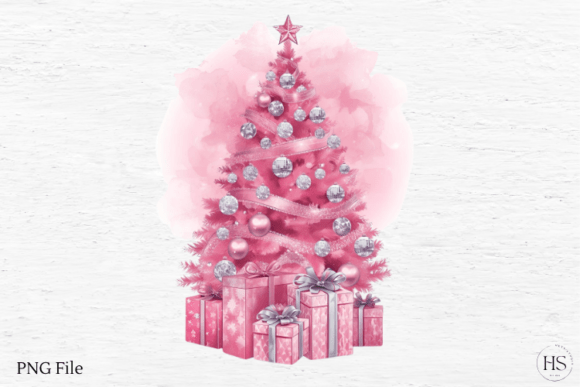
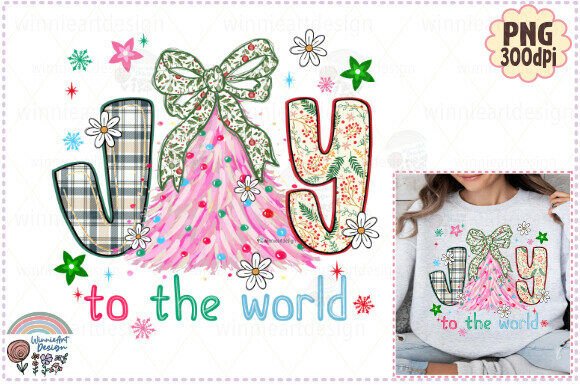
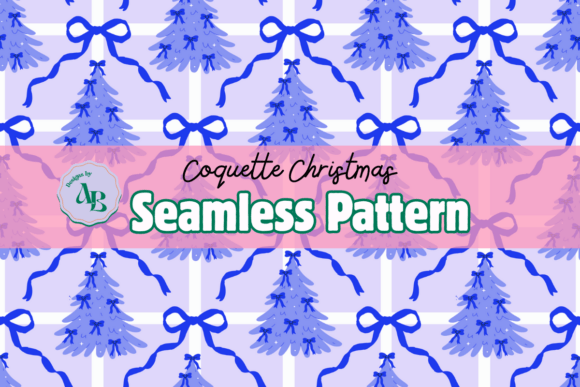
The immediate appeal of the Coquette Christmas Tree Pattern Design lies in its departure from traditional, rigid holiday imagery. Instead of sharp, geometric branches, the silhouette is softer, often adorned with bows, ribbons, or delicate ornamentation that defines the coquette style. As part of the Illustrations category, it carries a hand-drawn charm that translates surprisingly well into thread.
The mood is nostalgic yet modern. It feels appropriate for boutique branding where the target audience values aesthetics as much as utility. For a craft business, this visual personality is a strong selling point because it stands out against the backdrop of standard, clip-art-style trees. However, the intricate details require careful handling. The interplay between negative space and filled areas suggests a design that relies on clean stitching rather than dense coverage to maintain its shape.
Real-World Application: The Tote Bag Test
To truly gauge the value of any embroidery file, I mentally place it on a specific product. Let’s consider a custom embroidered tote bag made from heavy canvas. This is a popular small shop product during the holidays. When I visualize the Coquette Christmas Tree Pattern Design centered on a natural cotton tote, the contrast works beautifully. The soft curves of the tree soften the utilitarian nature of the bag.
If I were producing this for a client, I would likely pair it with a satin stitch bow accent to highlight the theme. The design performs well here because the canvas provides a stable base, allowing the stitches to lay flat without puckering. For sweatshirt embroidery, the result is equally charming but requires more caution. On a fleece or French terry fabric, the finer details of the coquette elements might get lost if the pile of the fabric is too high. In such cases, using a cutaway stabilizer is non-negotiable to ensure the finished product looks professional after washing.
Navigating Technical Challenges
While the aesthetic is strong, practical application reveals certain constraints. This design is not a "set it and forget it" option for beginners. Here are the critical areas where attention to detail is required:
- Fabric Texture: On textured fabrics like wool or thick knits, the finer lines of the design may blur. It is best suited for smooth surfaces like polished cotton, linen, or tight-weave denim.
- Stitch Density: If the design uses heavy fill stitch areas for the tree body, it can cause pulling on lightweight fabrics. Always test on scrap fabric first to adjust tension.
- Small Hoop Sizes: If you are working with a 4x4 hoop, ensure the design scales down without losing the integrity of the coquette details. Tiny bows or ribbons can become indistinguishable blobs if scaled too small.
- Dark Fabric: When stitching on dark garments, the contrast of the thread colors becomes vital. A dark green tree on a navy sweatshirt might disappear. Consider using lighter shades or adding a white underlay to make the design pop.
For baby embroidery projects, such as onesies or bibs, the softness of the design is a plus, but the durability is a concern. Babies are hard on clothes. Ensure that any satin stitch borders are secure and that there are no long jumps that could snag on tiny fingers. Using a soft, tear-away stabilizer is recommended to keep the garment comfortable against sensitive skin.
Commercial Viability and Brand Consistency
For commercial embroidery professionals, the Coquette Christmas Tree Pattern Design offers a niche appeal. It fits perfectly into collections focused on feminine holiday decor, bridal shower gifts, or upscale nursery items. It elevates the perceived value of a handmade product because it looks curated rather than mass-produced.
When creating printable mockup assets for your online store, this design photographs well. The distinct shape creates a recognizable silhouette even in thumbnail images, which is crucial for buyer engagement on platforms like Etsy. However, always verify the licensing terms. Just because a design is labeled as a digital embroidery file does not automatically grant unlimited commercial rights. Check whether the creator allows for physical sales, digital resale, or both.
Designer Notes for Best Results
Before running this design on your final product, follow these practical steps to ensure quality:
- Test Stitch-Out: Always run a test on the same fabric type you intend to use. Check for thread breaks or nesting.
- Color Contrast: Plan your thread colors carefully. The coquette aesthetic often benefits from pastel pinks, creams, and muted greens rather than harsh primary colors.
- Stabilizer Choice: Match the stabilizer to the fabric weight. Use cutaway for stretchy knits and tear-away for woven cottons.
- Inspect Details: Zoom in on the digital preview. Look for potential jump stitches that might need trimming manually after embroidery.
- Mockup Verification: Create a black and white mockup to check the balance of light and dark areas. This helps identify if any parts of the design are too dense or too sparse.
The Coquette Christmas Tree Pattern Design is a thoughtful addition to any holiday collection. It requires a skilled hand and an eye for detail, but the reward is a unique, stylish embroidered patch or garment that resonates with modern trends. By respecting the technical limitations and leveraging its aesthetic strengths, you can create products that customers cherish long after the holidays have passed.