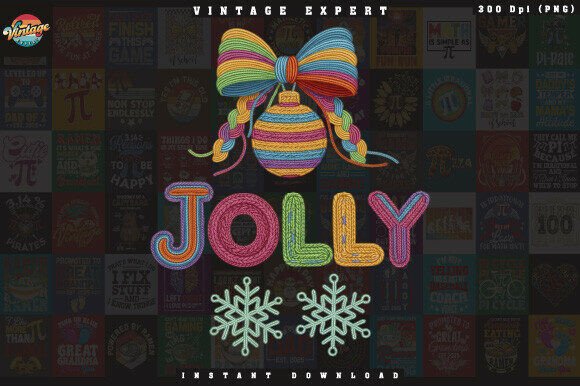
Review: Rainbow Jolly Christmas Yarn Crochet PNG
As a designer who spends half my life staring at digitized files and the other half watching needles punch through fabric, I have learned to be skeptical of festive graphics. Holiday designs often fall into two traps: they are either too cluttered to stitch cleanly or so generic that they vanish into the sea of seasonal noise. When I first opened the Rainbow Jolly Christmas Yarn Crochet PNG, my initial reaction was not about the colors, but about the texture implication. This is an illustration category asset, which means it carries a specific visual weight that requires careful translation from screen to thread.
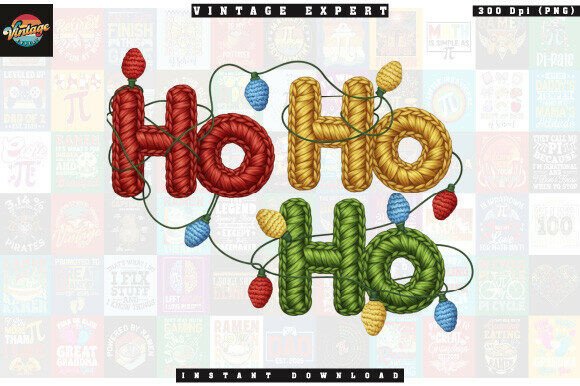
The design features a whimsical blend of yarn textures and crochet motifs, wrapped in a cheerful holiday theme. For those of us running small shops or managing craft businesses, the immediate question is not just "is it cute?" but "will it survive the wash cycle and still look premium?" Here is my practical breakdown of how this asset performs in real-world embroidery scenarios.
First Impressions and Visual Mood
The mood of the Rainbow Jolly Christmas Yarn Crochet PNG is undeniably cozy. It evokes the feeling of handmade warmth, which is exactly what customers look for during the holiday season. The layout suggests a playful irregularity, mimicking the organic nature of actual crochet work. However, as an embroidery product reviewer, I see potential pitfalls in that organic look. If you are converting this into a machine embroidery design, you must pay close attention to how the "yarn" strands are rendered. Are they thick enough to hold a satin stitch, or will they require a complex fill stitch that might pucker lightweight fabric?
The color palette is vibrant, leaning into rainbow tones rather than traditional red and green. This makes it stand out on social media feeds and Etsy listings, but it also demands precision in thread color selection. A muddy transition between hues can ruin the crispness of the illustration. I recommend testing your thread chart against the digital file to ensure the contrast remains sharp, especially if you are working with polyester threads that have a high sheen.
Real-World Application: The Custom Tote Bag Test
To evaluate the practicality of this design, I mentally placed it on a canvas tote bag, a staple for any holiday gift guide. Canvas is forgiving, offering a stable base for denser stitch counts. The Rainbow Jolly Christmas Yarn Crochet PNG would likely shine here as a central focal point. The whimsical nature of the crochet motif pairs well with the rustic feel of natural cotton or linen blends.
However, consider the scale. If you shrink this design too much to fit a small pocket, the intricate details of the yarn loops may merge into a blob of thread. For a tote bag design, I would aim for a hoop size of at least 5x7 inches to allow the "crochet" texture to breathe. This ensures that each strand of the illustrated yarn has enough physical space to be represented by distinct stitches, maintaining the clarity of the original artwork.
Apparel and Wearable Items
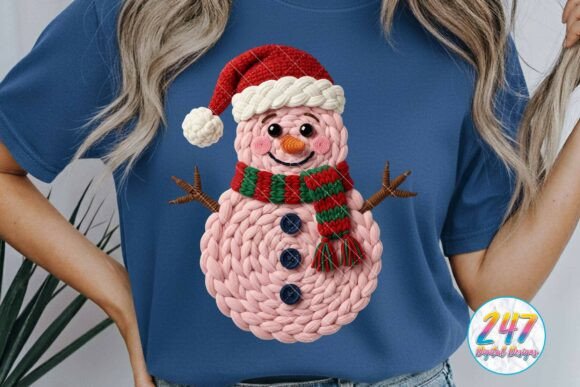
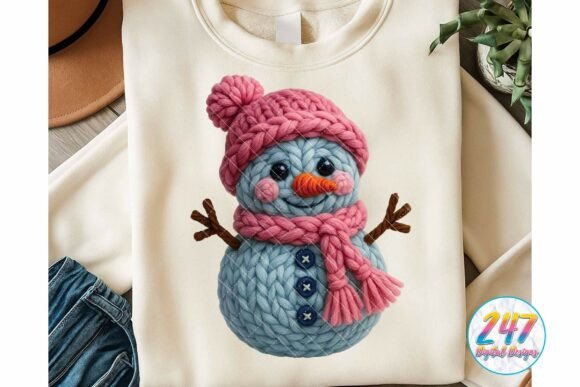
Moving to custom apparel, such as sweatshirt embroidery or baby clothes, the stakes get higher. Sweatshirts provide a thick, textured background that can hide minor stitching imperfections, making them a safe bet for this type of detailed illustration. The bulk of the fleece supports the weight of the thread, preventing the garment from warping.
Conversely, using this on a thin t-shirt or delicate baby embroidery requires caution. The density of the fill stitches needed to replicate the yarn look could cause puckering. In these cases, I strongly advise using a cut-away stabilizer rather than tear-away. The stability is crucial to keep the fabric flat while the machine works through the dense areas of the design. Always test on scrap fabric first. What looks perfect on a monitor can pull and distort on single jersey knit if the tension is not dialed in correctly.
Navigating Technical Challenges
There are specific scenarios where you should use the Rainbow Jolly Christmas Yarn Crochet PNG carefully. Curved surfaces, like caps or hats, present a significant challenge. The rigid structure of a cap front panel can handle some density, but the curved surface distorts wide designs. If you attempt to place this illustration on a cap, ensure the width does not exceed the natural curve of the panel, or the edges will lift. Additionally, avoid placing dense stitch areas near seams or zippers, as the needle may deflect, causing skipped stitches or broken threads.
Dark fabrics are another consideration. While the rainbow colors are bright, they may not pop sufficiently against black or navy without an underlay. A white underlay stitch can act as a primer, ensuring the vibrant thread colors remain true and do not get muddied by the dark fabric beneath. This is a standard professional practice that separates amateur homemade items from boutique-quality products.
Commercial Viability and Brand Consistency
For Etsy sellers and digital product sellers, the appeal of this design lies in its versatility. It fits seamlessly into the narrative of handmade quality. When customers see a design that mimics crochet, they associate it with time, effort, and care. This perception increases the perceived value of your finished product. Whether you are selling embroidered patches, aprons, or pillow covers, this asset helps build brand consistency around themes of comfort and tradition.
However, before listing any items, you must verify the licensing terms. Just because a file is labeled as a PNG or part of an illustrations collection does not automatically grant commercial rights for physical goods. Check whether the license allows for unlimited sales of finished items or if there are restrictions. Protecting your craft business means respecting intellectual property boundaries just as much as it means delivering high-quality stitching.
Final Designer Notes
Before you commit to a large production run, take these practical steps:
- Test on multiple fabrics: See how the design behaves on both woven and knit materials.
- Check stitch density: If digitizing yourself, reduce density in overlapping areas to prevent thread breaks.
- Mockup in black and white: This reveals if the design relies too heavily on color for definition. A good embroidery design should hold its shape even without color cues.
- Confirm hoop compatibility: Ensure your machine’s maximum hoop size accommodates the full breadth of the illustration without resizing it below legible limits.
The Rainbow Jolly Christmas Yarn Crochet PNG is a charming addition to your holiday design assets, provided it is treated with technical respect. It is not just a pretty picture; it is a blueprint for texture. By understanding how those illustrated yarn loops translate into satin and fill stitches, you can create personalized gifts and commercial products that feel truly special. Keep your stabilizers ready, your tension balanced, and your creativity focused on the finish. That is how you turn a digital file into a cherished heirloom.