Reviewing Christmas Baubles Sublimation Clipart for Embroidery
As a designer who has spent countless hours digitizing and stitching out holiday motifs, I approach every new Christmas Baubles Sublimation Clipart set with a mix of excitement and skepticism. We all know that what looks crisp on a digital screen does not always translate seamlessly to thread and fabric. When I first opened this collection of Illustrations, my immediate goal was not just to admire the aesthetics, but to determine if these assets could hold up under the needle of a commercial embroidery machine.
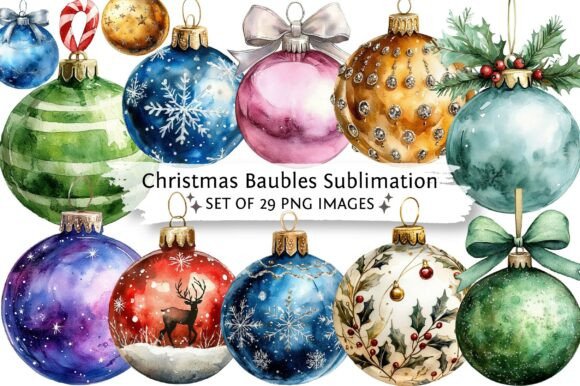
The visual personality of these bauble designs is distinct. They carry a modern, slightly graphic weight that feels less like traditional vintage ornamentation and more like contemporary boutique decor. The shapes are bold, and the layout avoids the clutter that often plagues holiday designs. For an embroidery project, this clarity is vital. Complex gradients in sublimation art can be a nightmare to replicate with thread, so I looked closely at how these specific graphics would need to be interpreted into a machine embroidery design.
From Screen to Stitch: Real-World Application
To test the viability of these assets, I imagined a real-life scenario: preparing a custom order for a local boutique client who wanted a line of high-end holiday tote bags. The client requested something festive but sophisticated, avoiding the cheesy tropes often seen in mass-market goods. This is where Christmas Baubles Sublimation Clipart shines as a reference or base for digitizing.
If you are using these illustrations as a guide for creating your own embroidery file, the clean lines allow for excellent stitch definition. I envisioned placing a single, large bauble design on a heavy canvas tote bag design. Using a combination of satin stitch for the reflective highlights and fill stitch for the body of the ornament, the result was striking. The bold shapes meant I did not have to rely on tiny, fragile details that might pull out after a few washes. For a handmade product intended for daily use, durability is just as important as aesthetics.
Beyond tote bags, consider the potential for sweatshirt embroidery. A oversized crewneck with a cluster of these baubles on the left chest area creates a subtle yet festive look. Because the source art is high-quality, you can easily trace the contours to create a smooth applique design. Applique is particularly effective here because it reduces stitch density on thick fleece fabrics, preventing the garment from becoming stiff or puckered. This makes it an ideal choice for custom apparel that needs to remain soft and wearable.
Navigating Fabric and Hoop Constraints
While the designs are visually appealing, practical application requires caution. Not every fabric behaves the same way. When working with textured fabrics like terry cloth towels or waffle-knit blankets, the fine details in some of the smaller bauble illustrations may get lost. In these cases, I recommend simplifying the design. Remove the intricate internal patterns and focus on the silhouette. This ensures the embroidery remains legible even on uneven surfaces.
Stretchy fabric presents another challenge. If you are planning baby embroidery on onesies or stretchy knit caps, you must be mindful of stitch density. High-density fill stitches can cause the fabric to pucker or distort. For these delicate items, consider using a running stitch outline or a lighter satin stitch border. Always test the design on scrap fabric first. This simple step saves you from ruining expensive garments and helps you adjust tension and stabilizer choices before committing to the final piece.
Dark fabric also requires strategic thinking. Sublimation clipart often relies on light reflections and transparency effects. In embroidery, you cannot stitch "transparency." You must simulate it with thread colors. On dark garments, ensure you have sufficient contrast. Use metallic threads sparingly to mimic the shine of a glass bauble, but rely primarily on solid, vibrant thread colors to make the design pop. A blackwork approach, using white or silver thread on black fabric, can create a stunning, high-contrast effect that feels modern and elegant.
Enhancing Brand Value and Customer Trust
For Etsy sellers and small shop owners, the quality of your design assets directly impacts perceived value. Using generic, low-resolution clipart can make a finished product look amateurish. However, leveraging high-quality Christmas Baubles Sublimation Clipart as a foundation for professional digitization elevates your brand. It shows attention to detail and a commitment to quality.
When customers see clean, well-executed stitching that mirrors the precision of the original illustration, their trust in your craft business grows. This is crucial for personalized gifts and holiday embroidery items, which are often bought as presents. The recipient judges the giver by the quality of the item. A sloppy stitch-out reflects poorly on both the buyer and the maker. By ensuring your embroidery file is optimized for clarity and durability, you enhance the giftability of your products.
Moreover, consistency in design language helps build brand recognition. If you use these bauble motifs across various products—pillow covers, aprons, and patches—you create a cohesive collection. This makes your small shop product lineup feel curated and professional. Buyers are more likely to purchase multiple items if they see a consistent aesthetic theme.
Practical Notes for the Design Studio
Before you rush to list these designs in your store or start stitching, keep these technical considerations in mind. First, verify the licensing. Just because you have access to the clipart does not automatically grant you the right to sell the resulting embroidery file as a digital product. Most clipart licenses allow for physical finished products, but reselling the digital embroidery file itself may require an extended commercial license. Always read the terms carefully.
Second, check the scale. Sublimation designs are often created for printing, where resolution is measured in DPI. Embroidery is measured in millimeters and inches. Ensure that when you resize the bauble for your hoop size, the proportions remain accurate. A design that looks balanced at 10 inches may look awkward when scaled down to a 4-inch hoop for an embroidered patch.
Finally, consider the stitch types you will employ. Satin stitch works beautifully for the smooth curves of the baubles, but be wary of long stitches that may snag. Break up long runs with tack-down stitches or convert them to split satin if your software allows. For the hanging loops and caps of the baubles, a simple running stitch or corded satin can add a nice textural contrast without adding bulk.
In conclusion, Christmas Baubles Sublimation Clipart offers a strong foundation for holiday-themed embroidery projects. Whether you are creating a custom apparel line, decorating home goods, or crafting personalized gifts, these illustrations provide the visual clarity needed for successful stitching. By respecting the limitations of fabric and machine, and by prioritizing stitch quality over complexity, you can transform these digital assets into tangible, high-value handmade products that resonate with customers.